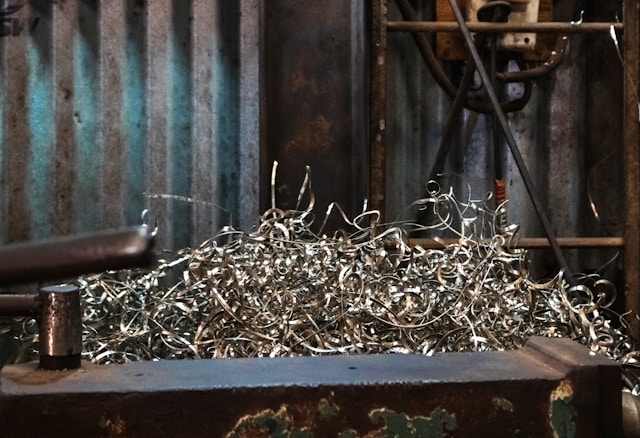
At aluminum recycling, we serve as a trusted bridge between global suppliers and the robust Chinese manufacturing sector. Our role extends beyond simple transaction processing; we act as strategic partners who understand the intricate nuances of metal recovery markets. When you partner with established aluminum scrap buyers in China, you gain access to a supply chain that values consistency, purity, and timely logistics. We recognize that every kilogram of metal represents significant energy savings compared to primary production, which is why our procurement teams are dedicated to offering competitive rates for high-quality materials while ensuring strict adherence to environmental standards.
Navigating the complexities of international trade requires a deep understanding of specific material grades and their respective market demands. Different types of aluminum waste require distinct processing methods and yield different recovery values, making it essential for exporters to categorize their inventory accurately. Whether you are dealing with post-consumer packaging or industrial machining chips, identifying the correct classification ensures smoother customs clearance and faster payment cycles. Our expertise allows us to evaluate diverse streams of secondary aluminum efficiently, providing transparent feedback on quality requirements and pricing structures tailored to current smelter needs.
Used Beverage Cans (UBC)
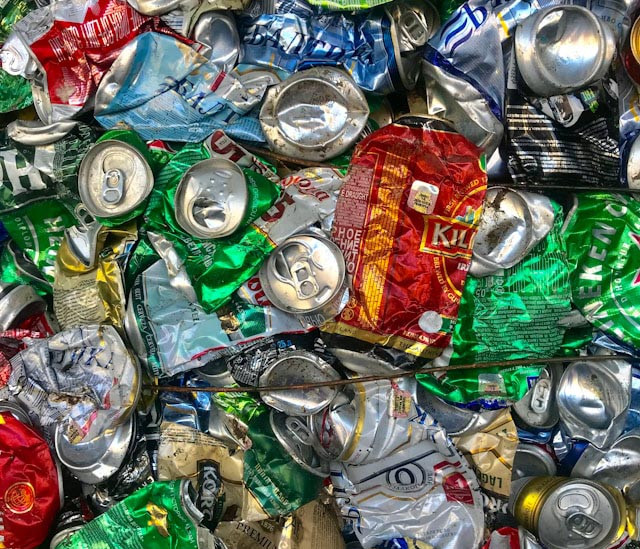
Used Beverage Cans, commonly known as UBCs, represent one of the most efficient and widely traded forms of aluminum scrap globally due to their consistent alloy composition and high recovery yield. Our purchasing program for UBC used beverage cans focuses on baled materials that meet strict density and moisture content specifications to prevent oxidation losses during ocean freight. We work closely with sorting facilities to ensure that steel tabs and plastic liners are minimized, as these contaminants can significantly reduce the final payout for exporters. The demand for clean UBCs remains exceptionally strong because they can be recycled back into new cans with minimal energy input, creating a true closed-loop system that appeals to environmentally conscious manufacturers.
6063 Aluminum Extrusions Scrap
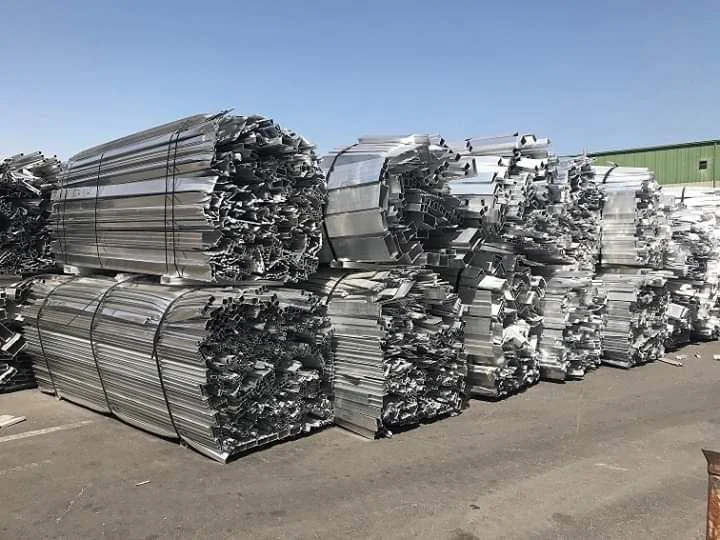
The market for 6063 aluminum extrusions is driven by the massive construction and infrastructure sectors in China, where this specific alloy is favored for its excellent corrosion resistance and weldability. We actively seek supplies of clean window frames, door profiles, and architectural cladding that have been stripped of non-aluminum attachments such as rubber gaskets, glass, and steel reinforcement bars. Proper segregation of 6063 from other wrought alloys is vital because mixing them can alter the chemical balance required for downstream extrusion processes. Our quality control teams provide detailed guidance on how to prepare these bundles to ensure they meet the stringent impurity limits set by major smelters, guaranteeing premium pricing for well-prepared loads.
Cast Aluminum Scrap
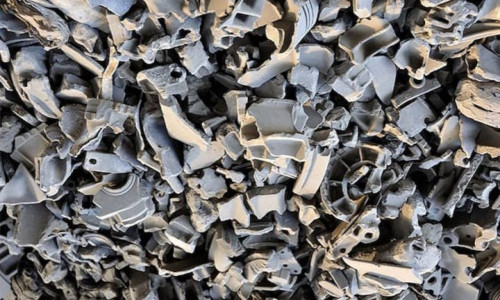
This category often includes ZLM (Zinc-Lead-Magnesium) series alloys which require careful separation from wrought aluminum to maintain metallurgical integrity. We purchase both solid cast pieces and shredded fragments, provided that iron content and oil residues are kept within acceptable thresholds. Effective de-oiling and drying processes prior to shipment are essential, as excessive moisture or hydrocarbon contamination can lead to rejection at the port of entry or substantial price deductions upon arrival.
Scrap Alloy Wheels
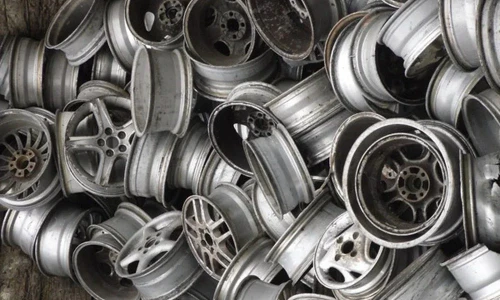
The automotive industry generates a steady stream of alloy wheels, which holds significant value due to its A356 alloy composition. These wheels are highly sought after because they offer a predictable chemical profile that is ideal for producing new casting alloys for automotive parts. Our buying criteria emphasize the removal of tire rubber, valve stems, and balancing weights before the material is compressed or shredded. We guide exporters on the optimal bale sizes and density requirements to maximize container utilization while ensuring that the material passes rigorous visual inspections for non-metallic inclusions that could compromise the melting furnace operations.
Wire Cable Scrap
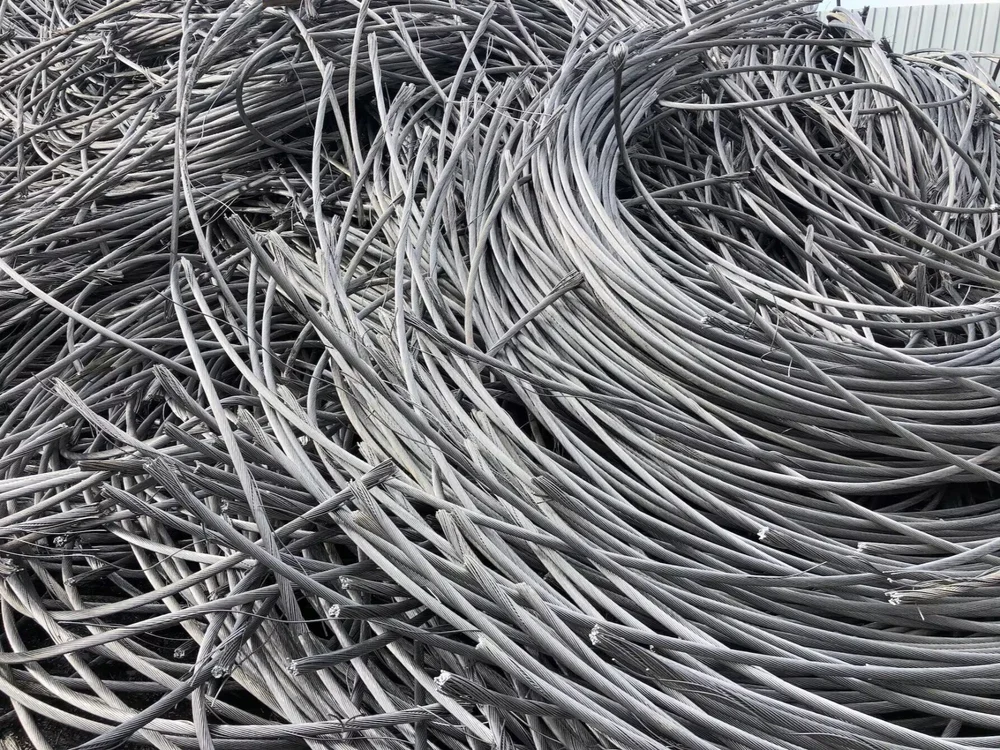
Wire cable scrap presents a unique challenge and opportunity in the aluminum recycling sector, particularly when dealing with aluminum conductors insulated by various plastic or rubber sheathings. The primary goal in this category is to achieve a high copper-free aluminum percentage, as even small amounts of copper contamination can downgrade the entire batch to a lower-value mixed alloy. We recommend advanced stripping or granulation techniques to separate the metal core from the insulation cleanly, rather than relying on open burning which is strictly prohibited and results in immediate cargo rejection. Our team assists suppliers in establishing pre-shipment sampling procedures to verify the purity of the conductor, ensuring that the final product meets the exacting standards required for electrical grade aluminum recovery.