Scrap Alloy Wheels
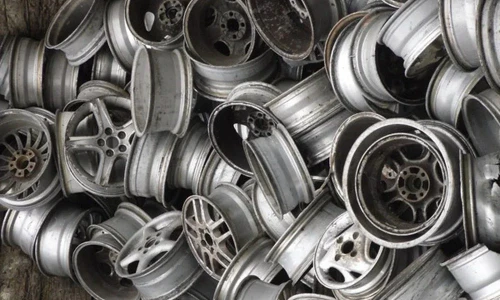
Value of Recovering High-Grade Alloy Wheels
The classification of used alloy wheels under the ISRI code TROMA represents a significant segment within the global aluminum scrap market, offering substantial economic and environmental value to reliable aluminum scrap buyers in China. Unlike mixed light iron or low-grade castings, TROMA material consists primarily of aluminum-silicon-magnesium alloys that are engineered for high strength and durability in automotive applications. When these components reach the end of their lifecycle, they retain a high purity level that allows smelters to recycle them back into new automotive parts with minimal energy consumption compared to primary aluminum production. For aluminum scrap exporters, understanding this intrinsic value is crucial because TROMA commands a premium price over general non-ferrous mixes due to its consistent chemical composition.
Recycling TROMA wheels supports a circular economy by reducing the need for bauxite mining and lowering the carbon footprint associated with metal extraction. Chinese smelters actively seek this specific grade of scrap because it integrates seamlessly into their refining processes for producing casting alloys used in manufacturing new wheel rims and engine blocks. The demand from China aluminum scrap importers remains robust as domestic automotive production continues to expand, creating a steady flow for suppliers who can guarantee the authenticity and quality of their TROMA shipments. By focusing on this high-value stream, sellers can establish long-term contracts with major recycling facilities that prioritize material consistency.
Critical Contamination Standards for Export Compliance
Maintaining strict adherence to contamination limits is the single most important factor for successfully exporting TROMA alloy wheels to China under current regulations. The aluminum scrap import standards enforced by Chinese customs and the Ministry of Ecology and Environment mandate that TROMA loads must be free from excessive non-aluminum materials such as steel valves, rubber tires, plastic hubcaps, and brake rotors. Even small amounts of ferrous contamination can trigger rejection at the port of entry or result in severe penalties during the CCIC inspection process. Exporters must ensure that all attached hardware is removed prior to shipment, leaving only the clean aluminum rim structure to meet the rigorous aluminum scrap quality standards required for entry.
Beyond visible foreign matter, internal contamination like residual grease, oil, or liquid coolants poses a significant risk to compliance and safety during transport. Moisture content must also be minimized to prevent oxidation and weight discrepancies that could lead to disputes upon arrival. Reliable aluminum scrap buyers often require pre-shipment photos and detailed loading manifests to verify that the cargo meets these stringent criteria before it leaves the origin country. Failure to comply with these critical contamination standards not only results in financial loss for the supplier but can also damage the reputation of the trading entity, potentially leading to blacklisting from future trade opportunities with major Chinese smelters.
Packaging and Logistics for TROMA Scrap Shipments
Efficient packaging and loading strategies are essential for maximizing the density and protecting the integrity of TROMA alloy wheels during international transit. Because alloy wheels have a hollow structure, improper stacking can lead to crushing or deformation, which complicates the unloading and sorting processes at the destination port. Leading aluminum scrap exporters typically utilize heavy-duty steel cages or compress the wheels using specialized balers that maintain structural integrity while optimizing container space. The goal is to achieve a high load density that reduces shipping costs per ton while ensuring the cargo remains stable and secure throughout the voyage to Chinese ports.
Proper documentation and labeling are equally vital components of the logistics chain for exporting aluminum scrap to China. Each container must be clearly marked with the ISRI code TROMA and accompanied by certificates proving the material's origin and composition. The customs clearance process relies heavily on accurate paperwork that matches the physical cargo, so any discrepancy between the declared weight and the actual loaded weight can cause significant delays. Suppliers should work closely with freight forwarders experienced in scrap metal logistics to ensure that packaging methods align with both maritime safety regulations and the specific intake requirements of the receiving aluminum smelter in China.
Market Dynamics and Pricing Trends for Alloy Wheel Scrap
The pricing landscape for TROMA alloy wheels is deeply influenced by global automotive production cycles and the fluctuating cost of primary aluminum on the London Metal Exchange. As electric vehicle adoption accelerates, the design and weight of alloy wheels are evolving, which subtly shifts the demand dynamics for specific alloy compositions within the global aluminum scrap export outlook. Aluminum scrap price per ton for TROMA grades tends to correlate strongly with the availability of used vehicles reaching their end-of-life stage, creating a supply curve that reacts to economic conditions in major automotive markets like North America and Europe. Traders monitoring these UBC scrap price trends and broader non-ferrous indicators can better time their sales to maximize returns.
Recent updates regarding China aluminum smelter buying habits indicate a preference for long-term supply agreements that guarantee a steady flow of high-quality TROMA material. Smelters are increasingly willing to offer price premiums for suppliers who demonstrate consistent quality control and reliable delivery schedules through the supplier registration and audit phases. Market reports suggest that while short-term volatility exists due to geopolitical factors and shipping rates, the long-term trajectory for recycled aluminum remains positive driven by sustainability mandates. Stakeholders in the aluminum extrusion scrap market and casting sectors alike view TROMA as a cornerstone resource, making it a strategic commodity for anyone involved in the recycling industry.