6063 Aluminum Extrusions Scrap
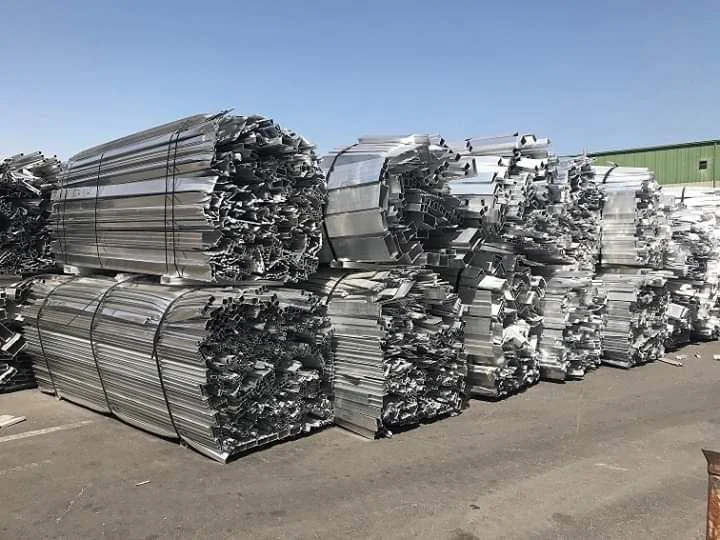
At AL Recycling, we are primary importers of 6063 aluminum scrap, serving as a strategic link to China's high-end secondary aluminum smelting industry. We specialize in sourcing clean, high-grade extrusion scrap (ISRI Tata/Toto) for the production of premium aluminum billets and ingots. If you are an industrial supplier looking for reliable 6063 aluminum scrap buyers, we offer long-term contracts and transparent valuation.
Value of Clean 6063 Extrusion Profiles in the Circular Economy
The intrinsic value of 6063 aluminum extrusion scrap lies in its ability to be recycled indefinitely without losing its fundamental properties. When compared to primary aluminum production, recycling this specific alloy consumes only a fraction of the energy required to extract bauxite ore, making it an environmentally superior choice for manufacturers. In the context of the Chinese market, where energy costs and carbon emission targets are increasingly stringent, high-grade 6063 scrap commands a significant premium over mixed aluminum grades. Smelters prioritize this material because it requires minimal refining to restore it to specification, allowing for faster turnaround times in casting new billets for fresh extrusion runs. Consequently, suppliers who can consistently deliver segregated, oil-free, and paint-stripped 6063 profiles find themselves with a competitive advantage in negotiations with major China aluminum scrap importers.
Beyond the immediate financial return, the strategic value of exporting 6063 scrap contributes to long-term supply chain stability. As global demand for green building materials rises, the need for recycled content in new construction projects becomes paramount. By channeling post-consumer architectural aluminum back into the production stream, exporters play a direct role in reducing the industry's overall carbon footprint. AL Recycling facilitates this connection by providing real-time feedback on market requirements, helping suppliers adapt their collection methods to maximize yield. Whether the source is demolition sites or fabrication workshops, the consistent recovery of 6063 alloys ensures that the material retains its high market valuation throughout the logistics journey to final processing plants.
Critical Contamination Standards for Export Compliance
Navigating the regulatory landscape for aluminum scrap quality standards requires a meticulous approach to contamination control. Chinese regulations, particularly those aligned with the GB/T standards for recycled raw materials, define strict limits on non-aluminum content. For 6063 extrusions, the presence of iron-rich contaminants such as steel screws, hinges, or reinforcement bars is the most common cause of shipment rejection. Even minor amounts of ferrous material can alter the chemical composition of the melt pool, leading to brittle finished products that fail structural tests. Therefore, it is imperative that suppliers implement rigorous magnetic separation processes prior to loading. Our audit teams frequently emphasize that visual inspection alone is insufficient; advanced sorting technologies must be employed to guarantee that the total impurity level remains well below the allowable thresholds set by the Ministry of Ecology and Environment.
In addition to metallic contaminants, organic residues pose a significant compliance risk for exporters. Paint coatings, powder coatings, thermal break polyamide strips, and silicone sealants must be carefully managed. While some degree of coating is permissible depending on the specific contract terms, excessive organic load can lead to high burn-off losses during melting and generate harmful emissions. Suppliers aiming to sell to top-tier reliable aluminum scrap buyers often invest in decanning or stripping lines to remove these coatings before baling. Furthermore, moisture and oil contamination must be eliminated to prevent safety hazards during ocean freight and to avoid hydrogen absorption issues during the remelting phase. Adhering to these cleanliness protocols not only ensures regulatory compliance but also builds a reputation for reliability that fosters long-term trading partnerships.
Packaging and Logistics for Efficient Shipment
Optimizing the physical presentation of 6063 extrusion scrap is a critical factor in controlling logistics costs and ensuring cargo integrity during transit. Unlike loose turnings or shredded material, extrusion profiles are typically dense and elongated, requiring specialized handling to maximize container utilization. The industry standard involves shearing long profiles into manageable lengths and compressing them into dense bales using high-tonnage balers. This compaction process significantly reduces the volume of air trapped within the load, allowing more weight to be shipped per container, which directly improves the cost-per-ton metric for the exporter. Properly baled 6063 scrap also minimizes the risk of shifting inside the shipping container, preventing damage to the vessel's structure and ensuring safe unloading operations at the destination port.
Documentation and labeling play an equally vital role in the logistics chain for exporting aluminum scrap to China. Each bale should be clearly marked with the alloy type, gross weight, and supplier identification to facilitate rapid verification upon arrival. Mislabeling or vague descriptions can trigger extended inspections by customs authorities, leading to demurrage charges and delays. We advise our partners to maintain a digital trail that links each batch of material to its origin, processing date, and quality certification. This transparency accelerates the customs clearance process and aligns with the due diligence expectations of major Chinese smelters. By treating packaging and documentation as integral components of the product rather than afterthoughts, suppliers can streamline the entire export workflow from factory gate to smelter intake.
Market Dynamics and Pricing Trends for 6063 Scrap
The pricing mechanism for 6063 aluminum extrusion scrap is intrinsically linked to the London Metal Exchange (LME) aluminum futures, adjusted by regional premiums and local supply-demand dynamics in China. Unlike static commodity pricing, the aluminum scrap price per ton fluctuates daily based on inventory levels at major consumption hubs, energy costs in smelting regions, and the availability of alternative feedstocks. During periods of strong construction activity in China, demand for 6063 profiles surges, driving up the premium paid to international suppliers. Conversely, during economic slowdowns or when domestic Chinese demolition waste floods the market, prices may soften. Staying informed about these cycles is crucial for timing shipments effectively to maximize revenue. AL Recycling provides regular market reports and analysis to help suppliers understand these trends and make data-driven decisions regarding their sales strategy.
Geopolitical factors and trade policies also exert a profound influence on the global aluminum scrap export outlook. Shifts in tariff structures, environmental enforcement campaigns, and changes in import quota allocations can rapidly alter the flow of materials into China. For instance, stricter enforcement of solid waste bans has paradoxically increased the demand for high-grade, pre-processed recycled raw materials that meet the new "resource" classification rather than "waste." This shift favors suppliers who have invested in advanced sorting and cleaning infrastructure. As the industry matures, the gap in pricing between low-grade mixed scrap and high-purity 6063 extrusions continues to widen, rewarding quality and consistency. Engaging with experienced aluminum scrap buyers who possess deep market intelligence allows suppliers to navigate these complexities and secure stable, profitable contracts in an evolving global landscape.