Used Beverage Cans (UBC)
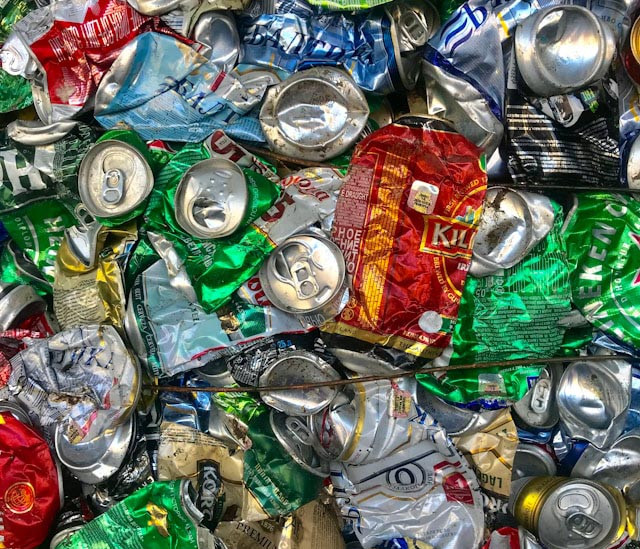
The global aluminum industry relies heavily on a steady stream of high-quality recycled materials, and among these, Used Beverage Cans (UBC) stand out as the most efficient and valuable category. At AL Recycling, we specialize in connecting international suppliers with reliable aluminum scrap buyers in China who are specifically seeking clean UBC streams. Understanding the nuances of this material is essential for any supplier aiming to enter the Chinese market successfully. Unlike mixed aluminum grades, UBCs possess a unique chemical composition that allows smelters to recycle them back into new cans with minimal energy consumption, making them a cornerstone of the circular economy.
Understanding the Metallurgical Value of Clean UBC Streams
Used Beverage Cans are not just ordinary aluminum waste; they are a highly refined resource composed primarily of the 3000 and 5000 series alloys, which offer an ideal balance of strength and formability. When aluminum scrap buyers evaluate a shipment, the primary focus is on the purity of the alloy mix, as contamination from other metals like steel or copper can significantly degrade the quality of the final melt. A pristine UBC load ensures that the recycled metal retains its structural integrity, allowing manufacturers to produce new beverage containers without the need for extensive refining processes. This intrinsic value drives the demand for clean UBC scrap across major Chinese smelting facilities that prioritize efficiency and low carbon footprints.
The recycling loop for beverage cans is remarkably short compared to other aluminum products. Because the material does not lose its inherent properties during the melting process, a used can collected today can be back on a store shelf as a new product in as little as sixty days. This rapid turnaround time makes UBCs a preferred commodity for aluminum importers looking to maintain consistent production schedules. Suppliers who can guarantee a consistent supply of uncontaminated cans find themselves at the top of the priority list for procurement teams, as the predictability of the raw material directly influences the operational costs of the recycling plants.
Critical Contamination Standards for Export Compliance
One of the most significant hurdles for exporters is meeting the stringent aluminum scrap quality standards enforced by Chinese customs and environmental regulations. The definition of "clean" UBC extends beyond simply removing liquid; it requires the meticulous elimination of non-aluminum attachments such as plastic rings, steel pull tabs, and residual organic matter. Even minor traces of moisture or foreign materials can lead to rejection upon arrival at the port of discharge, resulting in substantial financial losses for the exporter. Therefore, understanding the specific tolerance levels for contaminants is vital before initiating any transaction with China aluminum scrap buyers.
To ensure compliance, suppliers must implement rigorous sorting and processing protocols at the source. Modern balers and shredding equipment are often employed to separate different material densities, ensuring that the final bale consists almost entirely of aluminum alloy. The presence of excessive oil, grease, or non-metallic inclusions triggers automatic red flags during the CCIC inspection process, which acts as a gatekeeper for all imported solid waste. By adhering to these strict guidelines, exporters demonstrate their commitment to environmental safety and build the trust necessary to establish long-term contracts with reputable recycling entities in China.
Optimizing Packaging and Logistics for UBC Shipments
The physical preparation of UBC scrap plays a pivotal role in determining its marketability and shipping efficiency. Since UBCs are lightweight by nature but occupy significant volume, proper densification through baling is essential to maximize container utilization and reduce freight costs per ton. Aluminum scrap importers in China often specify exact dimensions and weight requirements for these bales to ensure they can be easily handled by automated feeding systems within the smelter. Loose or poorly compressed loads not only increase shipping expenses but also raise suspicions regarding the potential hiding of prohibited materials within the bundle.
Beyond density, the packaging material itself must meet fire safety and durability standards to withstand the rigors of ocean transport. Using high-tensile steel strapping and protective wrapping prevents the bales from unraveling or absorbing seawater during transit, which could otherwise lead to oxidation and quality degradation. Many successful suppliers work closely with logistics partners to align their packaging and loading requirements with the specific expectations of their Chinese counterparts. This attention to detail in the logistics chain signals professionalism and reliability, key attributes that reliable aluminum scrap buyers look for when vetting new international partners.
Navigating Market Dynamics and Pricing Trends for UBC
The pricing of UBC scrap is a dynamic variable influenced by a complex interplay of factors including the London Metal Exchange (LME) rates, regional supply availability, and the current inventory levels of Chinese smelters. Staying informed about UBC scrap price trends allows suppliers to time their shipments strategically, maximizing their profit margins while ensuring their goods remain competitive. Unlike static commodities, the value of beverage cans can fluctuate rapidly based on seasonal consumption patterns and global economic indicators, requiring both buyers and sellers to maintain constant communication.
Furthermore, the evolving regulatory landscape in China continues to reshape how aluminum scrap buyers approach procurement. With the country's increasing emphasis on high-quality recycled resources under its "dual carbon" goals, the premium for top-grade, certified UBC remains robust despite broader market volatility. Suppliers who can provide transparent documentation and consistent quality will find that their relationship with China aluminum recyclers becomes more resilient against market dips. By focusing on the long-term value proposition rather than short-term price spikes, exporters can secure stable offtake agreements that benefit both parties in the sustainable aluminum supply chain.