Cast Aluminum Scrap
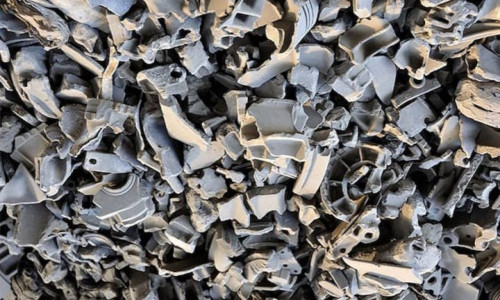
The global market for secondary aluminum relies heavily on the efficient recovery of cast alloys, a sector where precision and purity define value. As one of the leading aluminum scrap buyers in China, AL Recycling specializes in sourcing high-grade cast materials that serve as the backbone for automotive manufacturing and industrial casting operations. Understanding the specific metallurgical properties of these materials is essential for suppliers aiming to maximize their returns while ensuring seamless entry into the Chinese import regulatory framework.
Value of Secondary Cast Aluminum Alloys
Cast aluminum scrap, particularly grades often referred to in industry terms like "tense" or specific alloy designations, holds immense economic value because it requires significantly less energy to re-melt compared to primary aluminum production. When reliable aluminum scrap buyers process these materials, they are essentially recovering silicon, magnesium, and copper-rich alloys that are critical for producing engine blocks, transmission cases, and various machinery components. The demand for these specific cast fractions remains robust within China's massive automotive supply chain, where foundries constantly seek consistent feedstock to maintain production efficiency without the high carbon footprint associated with virgin ore processing.
For international suppliers, recognizing the distinction between clean cast turnings and mixed cast debris is the first step toward successful trade. High-quality cast scrap commands a premium price because it allows smelters to achieve precise chemical compositions with minimal adjustment. By partnering with established aluminum scrap importers who understand these metallurgical nuances, sellers can ensure their material is categorized correctly, avoiding the penalties associated with misclassification and securing a fair market valuation based on current metal exchange rates.
Critical Contamination Standards for Export Compliance
China's import policies regarding solid waste have evolved into strict standards for recycled resources, making the management of contamination a non-negotiable aspect of the export process. A common issue identified during CCIC inspection processes involves the presence of non-metallic inclusions such as sand cores, rubber gaskets, or excessive oil residue within cast aluminum batches. These contaminants not only degrade the quality of the final melt but also pose environmental risks that violate China's aluminum scrap import standards. To pass customs clearance, the material must demonstrate a high level of homogeneity, ensuring that the "taint" or impurity levels remain well below the regulatory thresholds set by the Ministry of Ecology and Environment.
Suppliers must implement rigorous pre-shipment sorting protocols to remove any foreign matter that could jeopardize the shipment. It is not sufficient to simply crush or bale the material; the internal composition must be verified to ensure no hazardous substances are trapped within the cast structures. Experienced exporters to China know that a single failed inspection due to contamination can lead to the rejection of an entire container, resulting in significant financial loss and reputational damage. Therefore, maintaining a transparent supply chain where the origin and treatment history of the cast aluminum scrap are fully documented is vital for building trust with overseas partners.
Packaging and Logistics for Cast Scrap Shipments
Proper packaging is the physical manifestation of quality control and plays a pivotal role in the logistics of shipping heavy, dense cast aluminum materials. Unlike lighter forms of scrap, cast pieces often have irregular shapes and varying densities, requiring specialized baling or palletizing techniques to optimize container load weights while preventing shifting during transit. Improper loading can lead to structural damage to the shipping container or create safety hazards during unloading at the destination port, which may trigger additional inspections by customs clearance authorities.
Effective packaging and loading requirements dictate that materials should be secured in a manner that prevents the infiltration of moisture or new contaminants during the ocean voyage. Moisture absorption can be particularly detrimental to cast aluminum, as it may cause explosions or porosity issues during the re-melting process. Leading aluminum scrap buyers often provide specific guidelines on how to bundle these materials, recommending the use of steel straps and protective wrapping to maintain the integrity of the cargo from the point of origin to the smelter gate in China.
Market Dynamics and Pricing Trends for Cast Scrap
The pricing landscape for cast aluminum scrap is intrinsically linked to the London Metal Exchange (LME) aluminum prices, yet it operates on a unique discount structure that reflects the cost of refining and the specific alloy content. Fluctuations in the automotive sector directly influence the demand for cast alloys, creating a dynamic market where timely sales decisions can significantly impact profit margins. Regular monitoring of aluminum scrap price trends allows suppliers to anticipate shifts in the market, such as seasonal dips in production or surges in demand driven by new vehicle model launches.
Furthermore, the global outlook for aluminum recycling suggests a long-term upward trend in value as sustainability mandates tighten across major economies. China's domestic smelters are increasingly prioritizing long-term contracts with verified international suppliers to secure a steady flow of high-quality cast scrap. This shift encourages a more stable trading environment where transparency and consistency are rewarded with better pricing terms. By staying informed through updated market reports and maintaining open communication with reliable buyers, exporters can navigate these dynamics effectively and capitalize on the growing need for sustainable metal resources.