Wire Cable Scrap
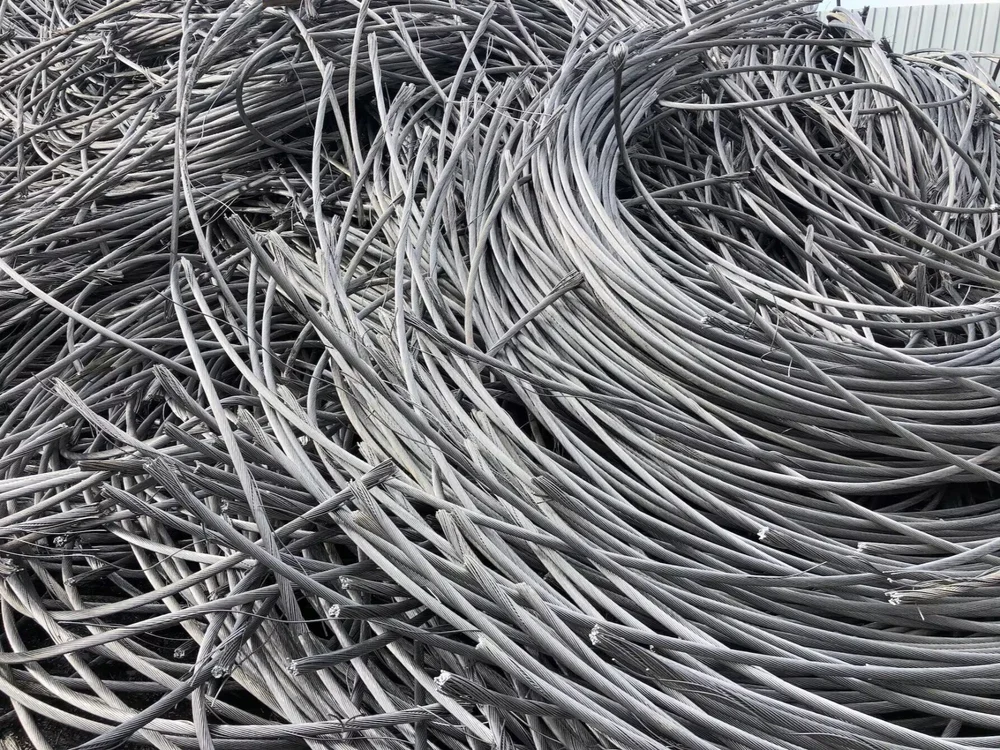
Value of Aluminum Recovery from Wire Cable Scrap
The intrinsic value of wire cable scrap lies not merely in the outer insulation but in the high-purity non-ferrous metals concealed within. When processors classify materials as wire cable scrap, they are primarily targeting the conductive cores, which are predominantly composed of copper or aluminum depending on the application voltage and weight requirements. For reliable aluminum scrap buyers in China, the recovery of aluminum conductors from low-voltage distribution lines offers a significant energy advantage over primary production, requiring only about five percent of the energy needed to produce new metal from bauxite ore. This efficiency makes the recycling of these specific cables a cornerstone of the circular economy, ensuring that valuable resources remain in circulation rather than ending up in landfills.
Distinguishing between different grades of conductor material is essential for accurate valuation and processing. While copper-bearing cables often command higher prices per ton due to the density and conductivity of the metal, aluminum wire scrap represents a massive volume stream essential for meeting the raw material demands of domestic smelters. The separation process involves advanced stripping technologies that cleanly divide the metallic core from the polymer jacketing, ensuring that the resulting aluminum alloy scrap meets strict purity thresholds. By focusing on these high-yield streams, exporters can maximize their returns while providing Chinese manufacturers with the consistent feedstock necessary for producing new extrusions and casting alloys.
Critical Contamination Standards for Export Compliance
Exporting wire cable scrap to China requires rigorous adherence to contamination limits that have become increasingly stringent under current environmental regulations. The presence of foreign materials such as rubber gaskets, steel armor, plastic connectors, or residual wood can result in the immediate rejection of a shipment at the port of entry. Aluminum scrap import standards specifically mandate that the non-metallic content must remain below a defined percentage, often less than one percent for high-grade materials, to ensure the melting process remains efficient and environmentally safe. Any deviation from these cleanliness protocols suggests poor preprocessing and raises red flags during the mandatory CCIC inspection process, potentially leading to costly re-export orders or fines for the supplying entity.
Beyond visible contaminants, chemical composition plays a pivotal role in determining the eligibility of cable scrap for import. The mixture of different aluminum alloys within a single bale can compromise the metallurgical integrity of the final product if not properly segregated. Reliable aluminum scrap buyers look for shipments where the conductor type is uniform, minimizing the need for complex fluxing and refining at the smelter level. Furthermore, the insulation material itself must be free from hazardous substances like halogens or heavy metals, aligning with China's broader goals of green development. Ensuring that every bundle of wire and cable scrap passes these quality gates demonstrates a supplier's commitment to compliance and long-term trade viability.
Packaging and Logistics for Efficient Handling
The physical preparation of wire cable scrap is just as critical as its chemical composition when preparing for international shipment. Proper packaging ensures that the material maintains its density and prevents the ingress of moisture or debris during transit across the ocean. Industry best practices suggest compressing loose wires into dense blocks or bales using hydraulic balers, which facilitates easier handling by cranes and reduces shipping volume costs. For aluminum scrap buyers in China, receiving well-compacted loads signifies a professional operation that respects logistical constraints and minimizes the risk of spillage or damage upon arrival at the destination port.
Clear labeling and documentation accompany the physical loading process to streamline the customs clearance process. Each container of cable scrap should be accompanied by detailed manifests specifying the exact weight, alloy type, and origin of the material, matching the physical reality inside the container. Discrepancies between the declared goods and the actual cargo can trigger extensive investigations and delays. By adopting standardized loading techniques and transparent reporting, suppliers foster trust with export partners and ensure a smooth transition from the loading dock to the smelting furnace, maintaining the momentum of the global supply chain.
Market Dynamics and Pricing Trends for Conductive Scrap
The pricing landscape for wire cable scrap is intrinsically linked to the fluctuating values of base metals on global exchanges, particularly the London Metal Exchange (LME) and the Shanghai Futures Exchange. As demand for lightweight materials in the automotive and construction sectors evolves, the price differential between various grades of aluminum conductor scrap shifts accordingly. Market participants must stay attuned to these movements, as even minor changes in LME aluminum prices can significantly impact the profitability of exporting cable waste. Understanding these dynamics allows suppliers to time their sales effectively, maximizing revenue while meeting the procurement cycles of major Chinese smelters.
Furthermore, global supply chain disruptions and regional policy changes can create temporary surges or dips in the availability of wire scrap. Recent trends indicate a growing preference for pre-processed materials that require minimal secondary sorting, driving up premiums for clean, segregated aluminum wire bundles. Conversely, mixed or heavily contaminated loads face increasing discounts as processing costs rise. Staying informed through regular aluminum scrap market reports enables traders to anticipate these shifts and adjust their sourcing strategies. Ultimately, the ability to navigate these complex market forces defines the success of any entity involved in the global aluminum scrap export outlook.